


How to Clean and Polish Your Silver Luxury Watch: Expert At-Home Care and Maintenance
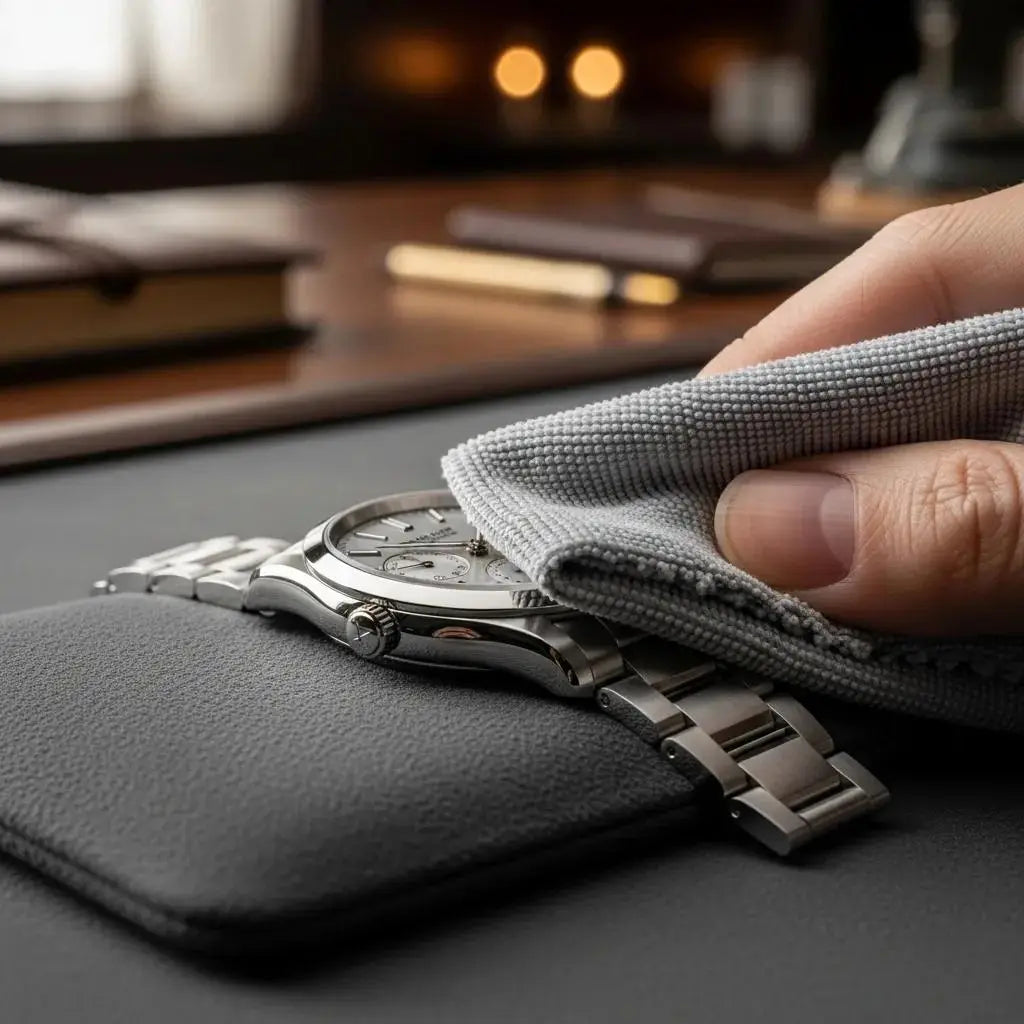
A silver luxury watch is a precision accessory and a tangible investment that requires careful, watchmaker-friendly care to preserve finish, function, and value. This guide explains how tarnish forms on silver watch components, the safe tools and cleaning materials to use, step-by-step at-home cleaning methods, gentle polishing techniques for metal and crystal, and long-term storage and inspection routines that prevent damage. Luxury silver watch care differs from general silver cleaning because delicate finishes, water-resistance limits, and brand-specific surface treatments demand conservative methods that avoid abrasive loss of metal or compromise of plated layers. Read on to learn how to identify tarnish, prepare a watch for cleaning based on its water-resistance and band type, and decide when professional servicing is the correct choice to protect your timepiece. The article covers essential tools, two practical DIY cleaning approaches, polishing options for minor scratches, storage best practices, and the signs that mean you should seek a qualified watchmaker or jeweler for restoration.
What Causes Tarnish on Silver Luxury Watches and How Can You Identify It?

Tarnish on silver luxury watches is a surface chemical change — primarily the reaction of silver with sulfur compounds and environmental oxidants — that darkens and dulls metal finishes without necessarily destroying structural integrity. This process occurs faster in humid, polluted, or chemically active environments and is accelerated by skin oils, cosmetics, and certain household chemicals; recognizing these triggers helps owners reduce exposure and preserve shine. Visually, early tarnish appears as faint gray or yellowing patches that deepen to brown or black in advanced stages; tactilely, tarnished areas may feel slightly rough or matte compared with polished surfaces. Understanding how silver types differ in susceptibility clarifies prevention and cleaning choices, which is addressed in the comparison table below and in the following subsections.
Tarnish identification leads directly into material-specific care: the next subsection explains what tarnish is and why silver watches are affected.
What Is Tarnish and Why Does It Affect Silver Watches?
Tarnish is a chemical surface reaction—chiefly the formation of silver sulfide—caused when silver atoms bond with sulfur-containing gases or organic sulfur sources, producing a dark film that obscures metallic luster. For watches, this reaction is promoted by everyday exposures: perspiration deposits salts and organics, cosmetics add oils and fragrances containing sulfur compounds, and atmospheric pollutants or household chemicals introduce oxidants that accelerate discoloration. The key practical point is that tarnish is usually superficial and removable with conservative cleaning, unlike pitting or corrosion which denotes deeper material loss. Because tarnish can mask scratches or finish inconsistencies, routine inspection and gentle cleaning are the safest first steps before attempting polishing or more aggressive restoration.
This chemical explanation transitions naturally into material differences, which determine how aggressively you should treat that tarnish.
How Do Sterling Silver and Silver-Plated Watches Differ in Tarnish Susceptibility?
Different silver constructions respond differently to the same tarnish triggers: sterling silver is a solid alloy that will tarnish but can be polished repeatedly, while silver-plated components have a thin silver layer over a base metal and lose protective plating when abraded. Sterling typically offers moderate tarnish rate and tolerates conservative polishing over time without exposing a different base metal, whereas plated pieces risk revealing base metals (and uneven color) if over-polished. The practical maintenance implication is frequency and method: sterling can sustain mild abrasives and cloth polishers, but plated surfaces require non-abrasive cloths, minimal compound use, and gentler cleaning to avoid wear through the plating.
A quick comparison table below summarizes these differences and their care implications.
Different silver constructions require distinct maintenance strategies to preserve finish and value.
| Silver Type | Tarnish Susceptibility | Maintenance Implication |
|---|---|---|
| Sterling Silver | Moderate; tarnishes over time with exposure | Safest to use conservative polishing; periodic professional polish acceptable |
| Silver-Plated | Higher visible change when plating wears | Avoid abrasives; use non-abrasive cloths and minimal compound |
| Sterling with Protective Coating | Lower visible tarnish initially | Maintain coating; prefer mild cleaning and professional recoating if damaged |
This table clarifies why material identification matters before any cleaning step and sets the stage for choosing the right tools for safe care.
What Essential Tools and Safe Cleaning Materials Do You Need for Silver Watch Care?
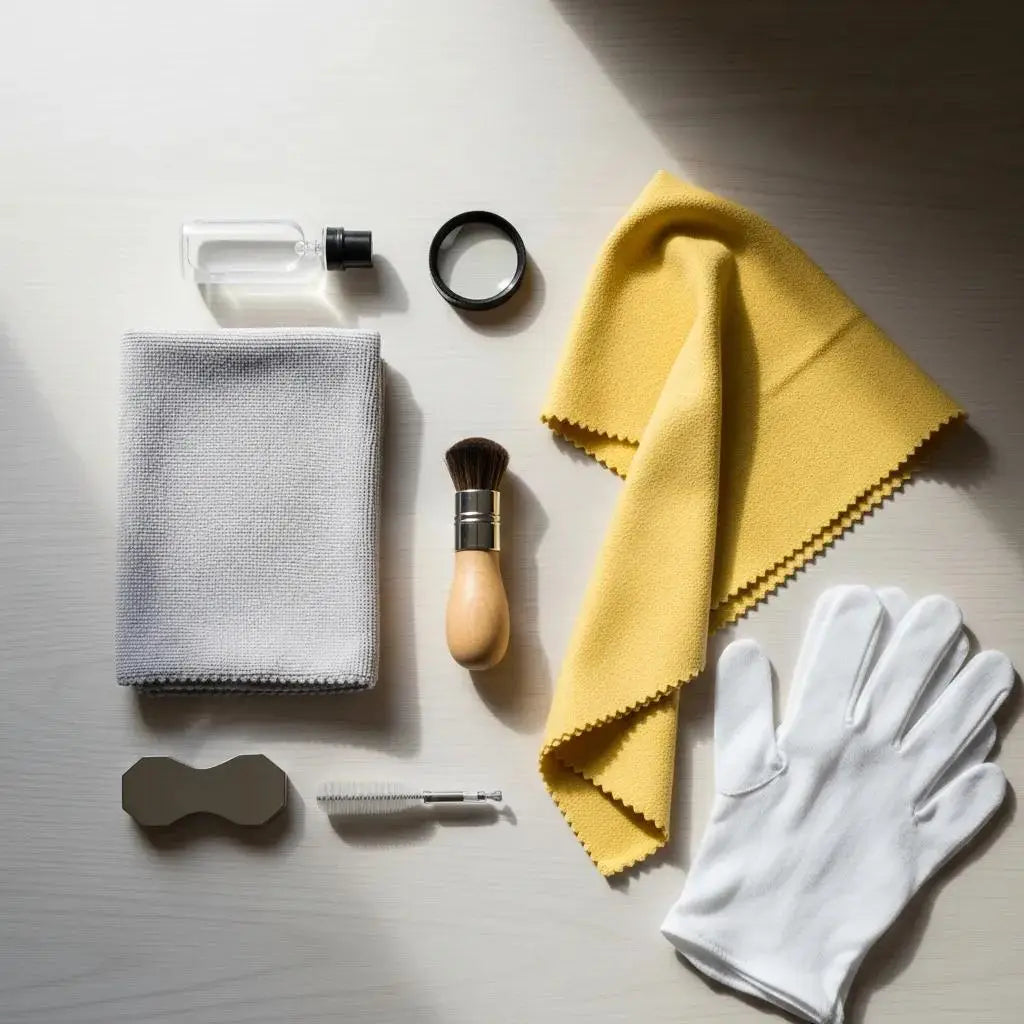
Selecting the right tools is the foundation of safe at-home silver watch maintenance: choose lint-free microfiber cloths, a purpose-made silver polishing cloth for light tarnish, a soft-bristle watch brush for lug crevices, and small containers for controlled cleaning solutions. Quality matters because dense weaves and non-abrasive fibers reduce the risk of micro-scratches while soft brushes remove grime from bracelet links and lug ends without damaging finishes. Equally important is knowing which household agents are safe: mild, pH-neutral soap diluted in warm water is the first-line cleaning agent for many watches, while baking soda paste and white vinegar solutions require controlled use on removable parts only. Prepare a clean, padded workspace, good lighting, and small tools like toothpicks wrapped in cloth for stubborn debris so you can work carefully without forcing tools into delicate gaps.
To provide a clear selection of recommended items and why they suit luxury watches, the table below lists practical tool characteristics and specifications.
Essential supplies with suggested specs guide safer at-home care and reduce risks when cleaning delicate finishes.
| Tool | Key Attribute | Recommended Product / Specification |
|---|---|---|
| Microfiber Cloth | Lint-free, high GSM, non-abrasive | 300–400 GSM, tight weave for polishing without scratching |
| Silver Polishing Cloth | Impregnated mild polishing agent | Soft, dual-sided cloth with light abrasive compound for tarnish removal |
| Soft-Bristle Watch Brush | Natural or soft synthetic bristles | Small head, tapered bristles to clear lug ends and bracelet links gently |
Having the right tools readies you to approach DIY cleaning safely; next we compare safe cleaning agents and when to use them.
How Do You Clean a Silver Luxury Watch at Home: Step-by-Step DIY Methods?
A safe home cleaning strategy begins with a pre-clean assessment of water resistance and strap material, then uses the gentlest effective method—typically mild soap and water—followed by targeted treatment of tarnish spots with a baking soda paste applied to removable components. Start each session by working on a padded, well-lit surface and by minimizing liquid exposure to crowns, pushers, and non-sealed casebacks; this conservative approach protects the movement and seals while still restoring visual shine. Alternate methods, like a controlled baking soda paste or brief vinegar rinse, are useful for stubborn oxidation but must be limited to parts that can be removed or to watches explicitly rated for such exposure. After cleaning, dry thoroughly with a microfiber cloth and allow for air-drying before reattaching straps or wearing, which prevents moisture entrapment.
The following numbered checklist provides a concise, actionable cleaning routine for most luxury silver watches.
Follow this step-by-step routine to safely clean and reduce visible tarnish without risking movement or plating damage.
- Confirm water resistance: Check caseback markings and manufacturer guidance before using water.
- Remove non-metal straps: Take off leather or fabric straps to avoid moisture damage.
- Prepare mild soap solution: Mix a drop of pH-neutral soap in warm water; avoid detergents with bleach or harsh chemicals.
- Gently brush and wipe: Use a soft-bristle brush for crevices, then blot with microfiber cloth.
- Dry fully: Pat dry and air-dry before reassembly; never reattach wet straps.
This practical checklist prepares you for the detailed recipes and safety notes that follow in the next subsection.
How to Prepare Your Watch for Cleaning: Checking Water Resistance and Removing Straps
Preparation defines whether water-based cleaning is permissible: begin by identifying water-resistance markings (e.g., ATM or meters) and consult brand guidance where available, because manufacturers differ in testing and real-world durability. If resistance is unknown or under 5 ATM (50 meters), avoid submerging or heavy water exposure; instead use dampened cloths and targeted brushing. Remove leather, textile, or sensitive straps before any liquid cleaning; metal bracelets can be treated separately by detaching them from the case when possible to allow full rinsing and drying. Secure small pins and screws or work with spring-bar tools to avoid losing components, and always keep a padded tray to prevent knocks during disassembly.
This preparation checklist leads into safe recipes for stubborn tarnish and how best to apply them.
What Are the Safe Cleaning Techniques Using Baking Soda Paste and White Vinegar Solutions?
For removable metal bracelets or casebacks that allow controlled treatment, a mild baking soda paste (baking soda + small water amount) can lift oxidation when applied gently with a soft brush and quickly rinsed; keep contact brief and avoid aggressive scrubbing to prevent abrasion. White vinegar can dissolve some tarnish but is acidic and can harm plated surfaces or penetrate seals, so restrict vinegar use to small, removable parts and neutralize thoroughly by rinsing and drying. For both methods, test in an inconspicuous area first and limit dwell time; after treatment, polish lightly with a microfiber or polishing cloth to restore luster and remove residual compound. If any tarnish persists after conservative treatment, stop and consider professional cleaning to avoid material loss.
Understanding these methods prepares you to decide when at-home effort is appropriate versus when a watchmaker’s intervention is required.
How Can You Polish Your Silver Luxury Watch to Restore Shine and Remove Minor Scratches?
Polishing seeks to restore luster while minimizing metal removal; the choice between cloths, light compounds, and professional refinishing depends on finish type and scratch severity. Use an impregnated silver polishing cloth for light tarnish and surface dullness, applying small circular motions with minimal pressure; for light hairline scratches, a very mild polishing compound applied with a soft cloth may improve appearance but always test on a discreet spot. Avoid abrasives on plated or coated surfaces to prevent exposing the substrate, and understand that repeated polishing removes microscopic layers of metal, which over time can alter finish and fit with manufacturer specifications. When in doubt—deep scratches, finish patterns, or vintage pieces—seek professional polishing that preserves original contours and hallmarks.
The EAV table below summarizes common polishing problems, recommended home methods, and expected results to guide decisions.
A concise comparison of typical polishing scenarios helps determine whether at-home polishing is appropriate and what outcome to expect.
| Problem | Recommended Method | Expected Result |
|---|---|---|
| Surface tarnish | Silver polishing cloth, light circular motion | Restored shine with minimal material removal |
| Light hairline scratches | Very mild polishing compound, gentle pressure | Reduced visibility of scratches; slight material loss |
| Dull finish | Microfiber polish + compound for satin finishes | Improved reflectivity; maintain grain with careful technique |
This summary clarifies realistic outcomes and naturally leads into specific polishing techniques and crystal care detailed next.
What Are Gentle Polishing Techniques Using Silver Polishing Cloths and Compounds?
Gentle polishing begins with a clean, dry surface and a high-quality polishing cloth to remove oils and light tarnish using small, overlapping circular motions; moderate speed and light pressure reduce metal loss. For light abrasives, apply a pea-sized amount of compound to the cloth, not the metal, and work in short strokes following the original finish grain where present—this preserves factory textures while improving shine. After polishing, remove residue with a clean microfiber cloth and inspect under good light; repeat only if necessary and always limit frequency to avoid thinning plated layers or changing case geometry. Proper cloth maintenance—washing or replacing when contaminated—ensures you’re not reintroducing abrasive particles during future polishing.
Mastering these motions and restraint prevents over-polishing and maintains the watch’s luxury finish for longer, which connects to crystal and delicate part care.
Can You Safely Polish the Watch Crystal and Other Delicate Parts?
Crystal material dictates allowable home treatments: acrylic crystals can often be lightly polished at home with specialized pastes to remove minor scratches, mineral glass tolerates mild glass-polish products cautiously, while sapphire crystal is extremely hard and typically resists polishing—deep scratches on sapphire usually require professional resurfacing or replacement. Avoid metal polishes near pushers, crown seals, and gaskets; use cotton swabs and cloths for delicate trims and never apply liquids near crown stems unless sealed and designed for water exposure. For bezels with inlays, work at the edge of the insert with minimal pressure to avoid dislodging decorative elements. When crystal condition affects readability or allows moisture ingress, professional service is the safer long-term choice.
Knowing crystal-specific limits prepares you for storage routines that reduce future polishing needs.
How Do You Maintain and Store Your Silver Luxury Watch to Prevent Tarnish and Damage?
Long-term preservation relies on controlled storage environments, routine cleaning, and habits that reduce exposure to tarnish accelerants; consistent care preserves both aesthetics and and resale value. Store watches in low-humidity, temperature-stable places using padded watch boxes, anti-tarnish pouches, or watch rolls that separate pieces to prevent contact scratches. Include humidity absorbers like small silica gel packets and anti-tarnish strips to limit moisture and airborne sulfur contact; rotate placements so watches are not kept in bathrooms or kitchens where humidity and chemicals are high. Daily habits—wiping metal surfaces after wear, avoiding perfumes or household chemicals during wear, and removing watches for heavy manual tasks—significantly reduce the frequency of deeper cleaning.
The short bullet list below summarizes best storage practices for immediate reference.
These storage and handling best practices reduce the need for aggressive cleaning and help maintain original finishes.
- Low-humidity storage: Use silica gel and anti-tarnish strips in a padded box.
- Separate items: Keep watches apart to avoid contact scratches.
- Avoid chemical exposure: Store away from perfumes, cleaning agents, and sulfur sources.
Implementing these practices sets a cadence for inspections and cleaning frequency described next.
What Are the Best Practices for Long-Term Storage and Environmental Protection?
For long-term storage, choose a dedicated watch box or padded case kept at stable room temperature and away from sunlight; rapid temperature or humidity shifts accelerate tarnish and can affect lubricants in mechanical movements. Add silica gel packets and anti-tarnish strips to absorb moisture and sulfurous gases; change or recharge silica gel periodically according to manufacturer instructions. When storing for extended periods, consider keeping mechanical watches wound or serviced according to movement maker guidance to avoid lubricant pooling or gasket drying. Position watches on soft cushions to preserve bracelet alignment and to prevent pressure points that could deform links or stress clasps.
Effective storage and periodic maintenance work together to reduce corrosion risk and preserve both finish and mechanical reliability, which informs how often you should inspect and clean.
How Often Should You Clean and Inspect Your Luxury Silver Watch?
A simple maintenance cadence keeps most luxury silver watches in optimal condition: wipe metal surfaces after every wear, perform a light clean monthly if worn frequently, and arrange professional servicing every 3–5 years or sooner if water resistance is compromised or the watch shows signs of mechanical issues. Increase cleaning frequency when the watch is exposed to sweat, chemicals, or coastal environments, and inspect seals, crown function, and crystal clarity regularly to detect moisture or residue early. Record cleaning and service dates to create a maintenance history that supports provenance and resale. This schedule balances preserving silver shine and preventing unnecessary polishing that can remove material over time.
Regular inspection habits reduce surprise repairs and guide decisions about professional servicing, the topic of the next H2.
When Should You Seek Professional Cleaning and Polishing Services for Your Silver Luxury Watch?
Professional intervention is warranted when issues exceed safe at-home remedies: deep scratches that alter case geometry, plating failure that reveals base metal, persistent tarnish resistant to conservative cleaning, moisture under the crystal, or any sign of movement contamination. A qualified watchmaker or jeweler can perform careful ultrasonic cleaning of bracelets, controlled polishing that preserves contours, resealing and pressure testing for water resistance, and movement servicing that addresses contamination from moisture or debris. Professional work preserves manufacturer finishes, respects hallmarks, and maintains warranty or provenance when performed by authorized or highly reputable specialists. Choosing pro service is an investment in long-term value preservation and avoids the compounding damage of improper DIY attempts.
The checklist below identifies clear signs that professional help is required and what benefits to expect from a proper service.
This checklist clarifies the threshold between safe at-home care and necessary professional restoration.
- Visible plating loss or pitting: Plating breaches or metal pitting require pro attention.
- Moisture under crystal: Any condensation indicates seal failure and immediate service need.
- Deep gouges or deformed lugs: Structural damage beyond cosmetic polishing requires a watchmaker.
- Persistent tarnish after safe methods: When conservative cleaning fails, pause and consult a pro.
These indicators lead naturally into the benefits and scope of professional servicing in the next subsection.
What Signs Indicate the Need for Expert Watchmaker or Jeweler Intervention?
Concrete red flags include moisture trapped under the crystal, loose crowns or pushers, deep scratches that catch the fingernail, visible loss of plating revealing base metal, and persistent blackened tarnish that does not respond to mild cleaning. Mechanically, irregular timekeeping, grinding sounds, or difficulty winding are urgent signs that the movement may be contaminated and require professional disassembly and cleaning. Delaying attention risks corrosion of internal parts, gasket degradation, and irreversible loss of finish or value. If you observe any of these signs, limit further home interventions and seek a qualified watchmaker to reduce long-term repair complexity and expense.
Recognizing these signs clarifies why professional services deliver long-term protection and restoration unmatched by at-home methods.
What Are the Benefits of Professional Servicing for Luxury Silver Watches?
Professional servicing restores aesthetic and mechanical integrity through controlled polishing, precise resealing and pressure testing, ultrasonic bracelet cleaning, and full movement overhauls when required, all performed with tools and compounds calibrated for luxury finishes. Pros can retouch or reapply plating, follow brand-specific finishing patterns, and maintain hallmarks and serial identifiers—actions that preserve provenance and resale value. Regular professional maintenance also includes lubrication, timing adjustment, and replacement of worn components, which extend the functional life of the watch and prevent more costly failures. Ultimately, expert service balances aesthetic restoration with structural care, ensuring both shine and precision remain aligned with a luxury timepiece’s original standards.
To provide a curated selection of watches and lead customers to discover and purchase products that enhance their style and make a statement.
0 comments