


Titanium vs Stainless Steel in Automatic Watches: Comprehensive Comparison and Buyer’s Guide
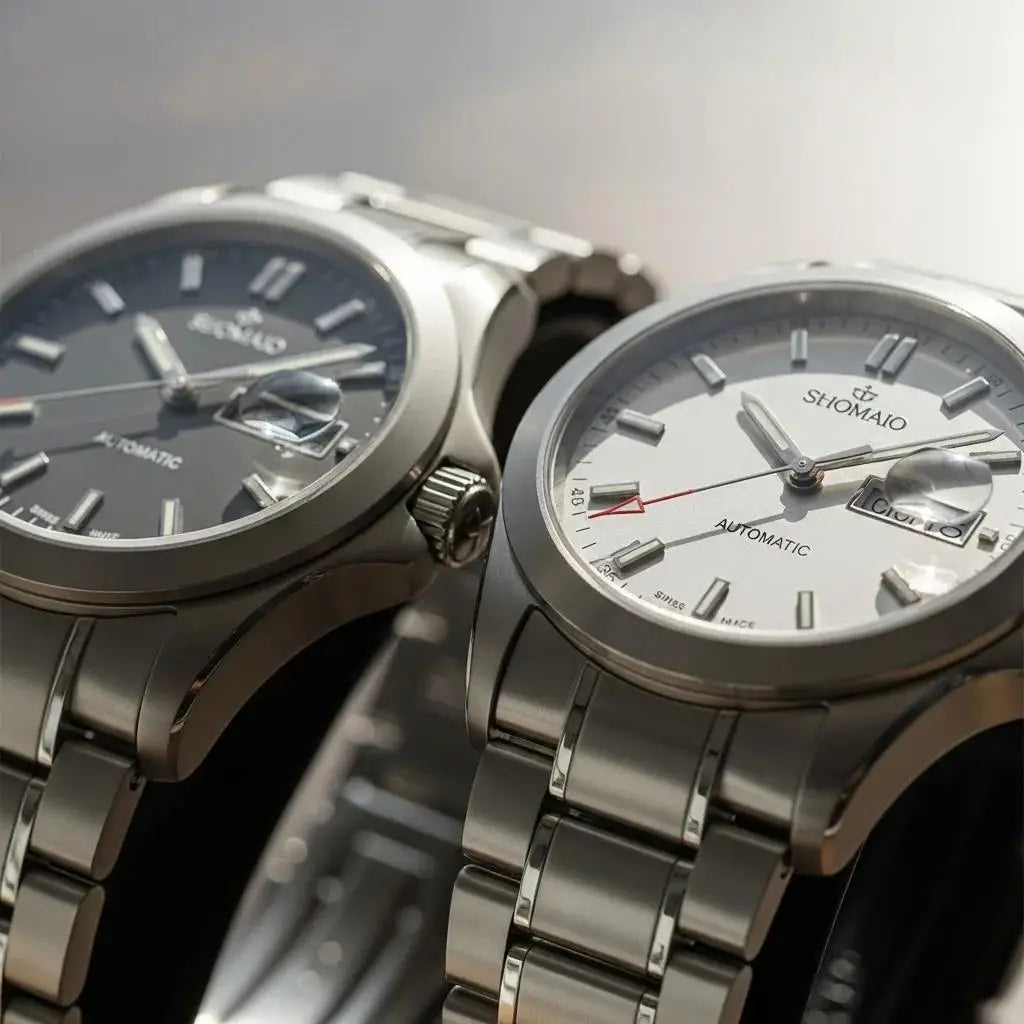
Automatic watches combine mechanical craft with material choices that shape comfort, durability and style. Choosing titanium or stainless steel changes how a watch feels on the wrist, how it wears over time, and how much upkeep it needs. This guide breaks down what automatic movements do, why case and bracelet materials matter, and how titanium and stainless steel compare on weight, corrosion resistance, scratch behaviour, hypoallergenic performance and finish. You’ll get practical care tips, side‑by‑side comparisons, short purchase recommendations and examples from a curated retailer so you can match technical trade‑offs to real buying decisions.
What Are Automatic Watches and Why Does Material Matter?
An automatic watch is a mechanical timepiece that winds itself with a rotor driven by wrist movement. That stored energy in the mainspring powers the gear train, escapement and balance wheel—no batteries required. Many automatics celebrate that mechanics with open casebacks or skeleton dials. The metal chosen for the case, bezel, bracelet and caseback affects weight, corrosion resistance, thermal feel and how finishes age—factors that influence daily comfort, water and sweat performance, and how easy it is to refinish or repair a watch. Understanding the movement makes it easier to see why materials matter for both function and perceived value.
How Do Automatic Watches Work?
An automatic winds the mainspring via a weighted rotor that pivots with wrist motion. That rotor transfers energy through the gear train to the escapement and balance wheel, which regulate the release of energy and move the hands. Power reserve depends on the movement’s design and is not determined by the case material.
Skeleton watches expose this mechanism, reminding buyers that the case must protect delicate components from moisture and shocks. A lighter case improves wearing comfort without altering how the movement runs, and corrosion‑resistant metals help preserve the movement in active use.
Why Is Watch Case Material Crucial for Performance and Style?
Case material defines a watch’s physical and visual personality: stainless steel gives traditional weight and shine; titanium delivers a matte, modern grey and a noticeable weight saving. Metals also differ in how they handle sweat, saltwater and everyday abrasion—and finishing techniques like polishing or brushing read differently on each metal. Choosing between tactile presence and everyday comfort is a practical trade‑off: steel often suits dressy pieces, while titanium is a strong choice for all‑day sport and travel watches. With that in mind, we turn to titanium’s specific benefits.
Dapper Watches sources premium materials and pays close attention to finishing across its automatic lineup, showing how material choices translate into minimalist and skeleton designs that balance style with durability. That perspective helps connect technical notes here to watches you can actually wear.
What Are the Key Benefits of Titanium Automatic Watches?
Titanium is valued for its high strength‑to‑weight ratio, corrosion resistance and biocompatibility—traits that make it comfortable for long wear and suited to active, travel or marine use. Different grades (for example Grade 2 vs Grade 5) change hardness and finish, but titanium is broadly lighter than comparable stainless steel, easing wrist fatigue. Its natural oxide layer helps resist seawater and perspiration, and coatings like DLC or PVD can improve surface hardness and offer contemporary finishes for skeleton or minimalist models. These features factor into comfort, allergy risk and environment‑specific durability.
- Lightweight Comfort: Noticeably less wrist weight for extended wear.
- Corrosion Resistance: A passive oxide layer fights saltwater and sweat corrosion.
- Hypoallergenic Properties: Often nickel‑free and kinder to sensitive skin.
Those advantages make titanium attractive for active users and anyone with skin sensitivities—now let’s look at why titanium feels so light and hypoallergenic.
What Makes Titanium Lightweight and Hypoallergenic?
Titanium’s lower density compared with common stainless steels produces a lighter case and bracelet for the same size, which reduces wrist fatigue. Its biocompatibility comes from a stable oxide film and the typical absence of nickel in many titanium alloys, which lowers the chance of contact dermatitis. Pure grades emphasise corrosion resistance and skin compatibility; alloyed grades add strength and allow finer case shaping. Practically, titanium gives you an unobtrusive, robust watch for travel and outdoor use.
How Does Titanium’s Corrosion Resistance Enhance Watch Durability?
Titanium forms a thin, self‑healing oxide film that shields the metal from aggressive environments, giving it strong resistance to seawater and perspiration. That layer repairs at a microscopic level if abraded, so titanium often needs less cosmetic attention in harsh conditions than untreated steel. Surface treatments and coatings increase scratch resistance but can darken the finish—designers balance protection with the desire for a natural titanium look. For sport and marine applications, titanium’s corrosion profile is frequently superior to untreated stainless steel.
Why Choose Stainless Steel for Automatic Watches?
Stainless steel remains the standard for many automatics because it combines good scratch resistance, excellent polishability and cost effectiveness, producing a classic look that works for dress and everyday use. Common watchmaking grades—like 316L and higher—offer solid corrosion resistance and surface hardness to withstand knocks. Steel also accepts a wide range of finishes, from mirror polish to tight brushing, and can be professionally refinished when needed. For buyers who want timeless style, serviceability and value, steel is a dependable choice.
- Scratch Resilience and Repairability: Surface marks are often repairable by polishing.
- Classic Aesthetics: Polished and brushed finishes suit formal and versatile looks.
- Cost‑Effectiveness: Mature production keeps prices accessible for quality movements and finishes.
These strengths make steel a go‑to for dress watches, daily wear and anyone prioritising finish options and resale value.
How Does Stainless Steel Offer Superior Scratch Resistance?
Steel’s hardness and ductility tend to produce shallower scratches that can be removed or minimised with polishing and brushing. Vickers hardness varies by alloy and treatment, but in practice steel’s ability to be refinished is a major advantage: watchmakers can often restore steel cases and bracelets without replacement. Titanium, by contrast, can show different surface marks and may need specialist refinishing or coatings to address visible wear. That serviceability helps keep steel pieces looking crisp and preserves resale appeal.
What Are the Classic Aesthetic and Affordability Benefits of Stainless Steel?
Steel’s bright silver tone and capacity for mirror polish create the traditional dress‑watch look that pairs well with formal attire, while brushed steel delivers an understated tool aesthetic. Production and finishing are well established, keeping costs competitive and freeing budget for movement upgrades or finer finishing. If you want a classic, versatile watch that’s simple to maintain and presents a strong value, stainless steel often delivers.
How Do Titanium and Stainless Steel Compare on Key Watch Attributes?
Below is a compact comparison across core attributes buyers care about: weight, scratch behaviour, corrosion resistance, price and hypoallergenic properties. Use this table as a quick reference, then read the short notes that follow to unpack practical implications for daily wear and long‑term ownership.
| Attribute | Titanium | Stainless Steel |
|---|---|---|
| Weight | Approximately 30–50% lighter, increasing comfort for full-day wear | Heavier, lending a traditional substantial feel |
| Scratch Resistance | Shows different scratch patterns; coatings often required for improved surface hardness | Generally resists deep scratches and is easier to refinish |
| Corrosion Resistance | Excellent due to passive oxide layer; strong for saltwater exposure | Good with proper alloys (e.g., 316L); may need attention in harsh marine conditions |
| Hypoallergenic Properties | Typically superior; low nickel content reduces allergy risk | Varies by alloy; some steels contain nickel that can irritate sensitive skin |
| Cost | Often priced higher due to processing and finishing challenges | Typically more affordable with strong value-to-price ratios |
In short: titanium favours comfort and skin tolerance; steel favours finish repairability and classic visual impact. Which matters most depends on how you plan to wear the watch.
Which Material Is Lighter and More Comfortable for Daily Wear?
Titanium’s lower density makes a noticeable difference on the wrist, especially with larger cases or bracelet designs. It reduces fatigue during long shifts, flights or active days and cuts down on jiggle and pressure points. If you want a watch that disappears during activity, titanium is the obvious pick; weight distribution (bracelet vs strap) also affects perceived comfort.
How Do Durability and Scratch Resistance Differ Between Titanium and Stainless Steel?
Durability depends on both hardness and finish: steel often tolerates light abrasions with less visible damage and can be repolished, while titanium may show surface marks that require specialist attention or protective coatings. DLC and PVD treatments help both metals but change the look and reflectivity. For environments where easy resurfaceability matters, steel wins; for wet, salty or high‑fatigue use, titanium’s corrosion resistance gives it the edge.
What Are the Differences in Aesthetic Finish and Style?
Titanium leans toward a muted, modern grey that works well with matte or bead‑blasted finishes and contemporary designs. Stainless steel offers a brighter palette that supports mirror polish or brushed combos for dress and vintage styles. Titanium suits casual, minimalist and sporty wardrobes; steel pairs better with suits and evening wear. Designers often mix finishes or materials to create hybrid looks—knowing each metal’s visual language helps you match a watch to your wardrobe.
How Does Price Influence the Choice Between Titanium and Stainless Steel?
Titanium usually comes with a premium because machining and finishing are more demanding. That premium is justified if you value long‑term comfort, corrosion resistance or hypoallergenic properties. Steel typically leaves more room in your budget for movement upgrades, complications or finer finishing. Weigh upfront cost against long‑term comfort and service expectations to decide where to spend.
Which Material Is Better for Sensitive Skin?
Titanium is generally the safer first choice for sensitive skin due to minimal nickel content and strong biocompatibility. Some stainless steels are safe too—look for nickel‑free or low‑nickel alloys or choose coated options—but if you’ve reacted to metal before, titanium reduces risk. Alternative workarounds include leather or fabric straps or protective liners when a steel case is preferred for looks.
Which Watch Material Is Best for Different Lifestyles and Preferences?
Match material to how you live: titanium suits active, travel and outdoor routines; stainless steel works best for formal wear, office days and buyers who value easy maintenance. Below we map common lifestyles to material recommendations and provide brief, product‑minded examples so you can picture real purchases without technical overload.
Why Is Titanium Ideal for Active and Outdoor Enthusiasts?

Titanium’s lightness and corrosion resistance make it suited to hiking, frequent travel and watersports where sweat and saltwater matter. Less wrist fatigue, a resilient oxide film and optional protective coatings mean the case stays serviceable with less cosmetic attention. For sport‑minded buyers, titanium offers a comfortable, low‑maintenance companion that preserves the movement without weighing you down.
Curated examples include minimalist titanium automatics for active wear and stainless steel skeleton models for formal occasions; Dapper Watches lists both approaches in a carefully selected range that balances materials and finishes.
Who Should Opt for Stainless Steel for Classic and Formal Wear?
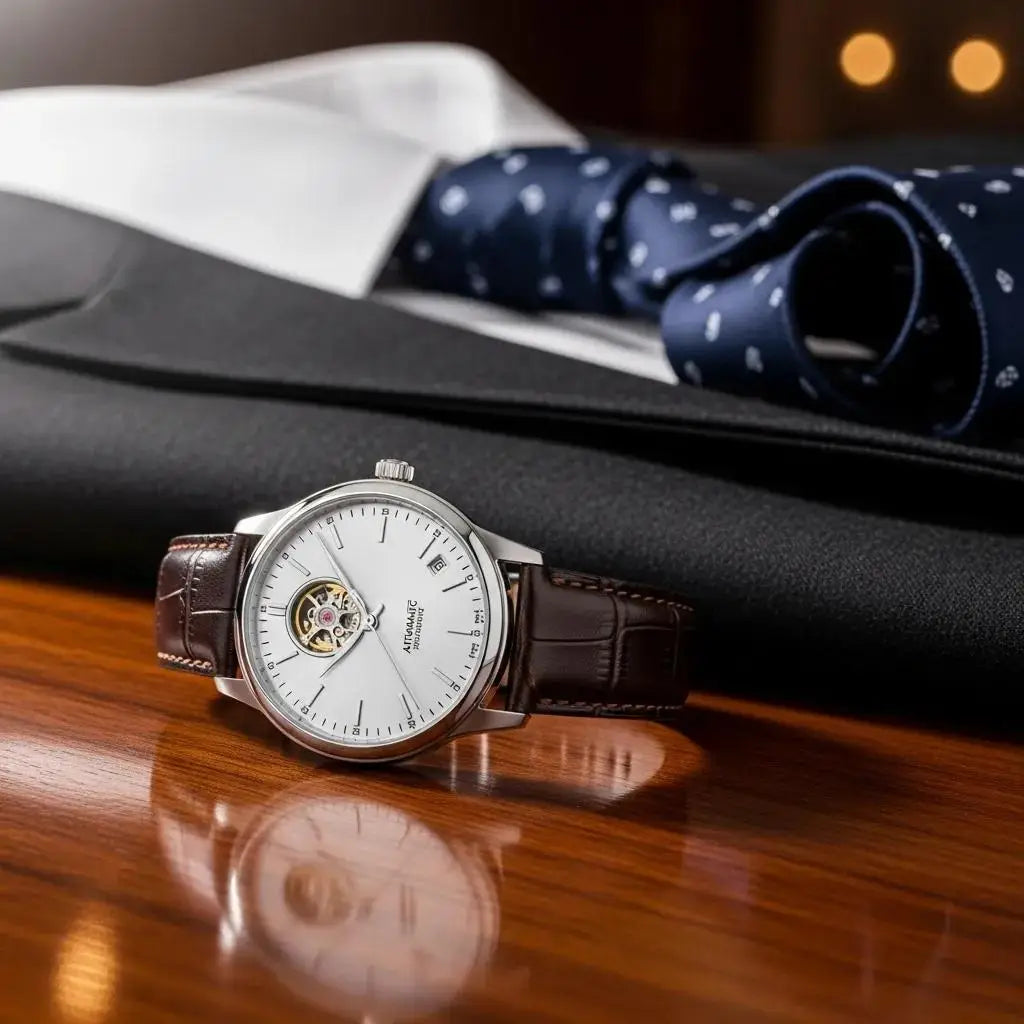
If you want a dressy, traditional look that pairs with suits and evening wear, stainless steel is the natural choice. Its polish and weight project presence, and the ability to professionally refinish keeps the watch looking sharp for years. Collectors and buyers focused on resale or classic styling will value steel’s established visual language and straightforward maintenance.
How Does Skin Sensitivity Affect Material Choice?
If metal causes redness or itching, start with titanium. If you prefer steel, confirm the alloy or choose hypoallergenic coatings and straps as backups. A simple at‑home test—wear a steel piece briefly—can reveal sensitivity, and checking product specs helps avoid surprises.
What Are the Budget Considerations When Choosing Watch Materials?
Balance material premiums against movement quality and expected upkeep. Titanium’s machining and finishing add cost but reduce some long‑term wear in harsh environments; stainless steel usually lets you spend more on the movement or finishing at the same price. Think in terms of total cost of ownership: future polishing, servicing intervals and resale all matter when allocating your budget.
What Does Dapper Watches Offer in Titanium and Stainless Steel Automatic Collections?
Dapper Watches curates minimalist and refined automatic pieces, including stainless steel skeletons that highlight movement details and titanium models focused on lightweight performance. The brand’s attention to material selection and hand‑chosen finishing illustrates how those decisions translate into finished watches designed to balance style with mechanical craft. Below is a compact table linking material‑led categories to their design benefits and where to find them.
| Model Category | Material | Key Feature / Design Benefit | Product Page |
|---|---|---|---|
| Minimalist Skeleton | Stainless Steel | Open dial showcases movement with a polished, formal finish | Dapper Watches product page |
| Lightweight Automatic | Titanium | Reduced wrist weight and corrosion resistance for active use | Dapper Watches product page |
| Classic Automatic | Stainless Steel | Brushed and polished surfaces for dress and everyday versatility | Dapper Watches product page |
Which Dapper Titanium Automatic Watches Highlight Modern Design and Performance?
Dapper’s titanium automatics focus on lightweight construction and contemporary finishes that enhance comfort for extended wear while standing up to sweat and outdoor exposure. These models pair bead‑blasted or matte titanium cases with clean dials to emphasise modern styling and practical durability—ideal for travellers and active users who value visible craftsmanship without added bulk.
What Stainless Steel Automatic and Skeleton Watches Does Dapper Provide?
Dapper’s stainless steel skeleton and automatic watches highlight open‑worked dials and selective polishing or brushing to show movement detail and quality finishing. These pieces suit buyers who want classic presence and the tactile weight of steel; skeleton models put the movement on display and underline the brand’s focus on hand‑selected finishes.
How Does Dapper Watches Ensure Quality and Style in Both Material Collections?
We prioritise premium materials and careful finishing across the range so each model’s material suits its purpose: titanium for comfort and corrosion resistance, steel for polishability and classic looks. Hand‑selection of finishing touches keeps perceived value high no matter the base metal, resulting in a cohesive design language where material and finish support both movement visibility and the wearing experience.
How Should You Care for Titanium and Stainless Steel Automatic Watches?
Regular care preserves both appearance and mechanical life. Titanium benefits from gentle cleaning and avoiding aggressive polishing that can alter coatings; stainless steel accepts careful polishing and more frequent cosmetic refreshes. Below is a practical maintenance table with routine tasks and recommended timings to keep your automatic in good working order.
| Component | Maintenance Task | Recommended Frequency / Product |
|---|---|---|
| Case & Bracelet (Titanium) | Gentle wash with mild soap and soft brush; avoid aggressive polishing | Weekly cleaning; professional refinishing as needed |
| Case & Bracelet (Stainless Steel) | Mild soap wash, soft brush; light polishing for scratches by specialist | Weekly cleaning; polishing every 1–3 years if needed |
| Movement (Automatic) | Professional service (cleaning/lubrication/adjustment) | Every 4–6 years depending on use |
These simple routines—regular cleaning and scheduled professional servicing—help preserve both finish and accuracy. Next, practical cleaning and polishing advice explains safe do‑it‑yourself steps and when to consult a pro.
What Are the Best Practices for Cleaning and Polishing Titanium Watches?
Use a soft, lint‑free cloth and warm water with mild detergent to remove grime and sweat; a soft brush helps clean links. Dry thoroughly to avoid water spots. Avoid abrasive polishing compounds that can damage coatings or change a matte look; for deeper marks, see a watchmaker experienced with titanium to preserve case geometry and finish. Coated titanium needs extra care to avoid chemicals that could compromise the coating.
How Can You Maintain the Finish and Durability of Stainless Steel Watches?
Stainless steel tolerates a similar household cleaning routine—warm water, mild soap and a soft brush—followed by careful drying. Light scratches can often be restored by a professional refinisher; DIY polishing kits exist but risk uneven results. During movement servicing, have gaskets and seals checked to maintain corrosion resistance and water integrity. Conserving original chamfers and finishes means polishing only when necessary.
What Are the Most Common Questions About Titanium vs Stainless Steel Watches?
Here are concise answers to frequent buyer questions to help you decide between titanium and stainless steel for automatics. These quick Q&As reinforce the main trade‑offs and point to practical next steps.
Is Titanium Better Than Stainless Steel for Automatic Watches?
There’s no universal “better.” Titanium wins on lightness, corrosion resistance and hypoallergenic performance; stainless steel wins on polishability, classic looks and easier repair. Choose titanium for active or skin‑sensitive use; choose steel for dressier wear, serviceability and value.
Do Titanium Watches Scratch More Easily Than Stainless Steel?
Titanium shows different scratch patterns that can appear more visible on some finishes, though it resists deep corrosion and keeps structural strength. Coatings like DLC or PVD improve scratch resistance on both metals. Steel usually offers easier restoration through polishing, making minor abrasions less permanent.
Is a Titanium Watch Worth the Extra Cost Compared to Stainless Steel?
Titanium’s premium is often worth it for those who prioritise reduced weight, corrosion resistance or hypoallergenic benefits—frequent travellers, athletes and marine users, for example. If you want a dressier finish or the most movement for your budget, steel may give more mechanical features at the same price. Consider comfort, maintenance and resale to decide if the premium fits your needs.
Which Watch Material Is Best for Sensitive Skin?
Titanium is generally safest for sensitive skin because it usually lacks nickel and is highly biocompatible. If you prefer steel, look for nickel‑free alloys, use leather or fabric straps, or test briefly before prolonged wear. Choosing hypoallergenic options avoids irritation while letting you keep the style you want.
How Long Do Titanium and Stainless Steel Watches Typically Last?
With proper care and regular servicing, both metals can last for decades. Longevity depends more on movement quality, assembly and service intervals than on case material. Follow service recommendations (typically every 4–6 years) and material‑specific care routines to maximise both function and appearance.
For hands‑on comparisons or curated suggestions, browse Dapper Watches’ automatic and skeleton selections to see how material choices look in finished designs. Our focus on premium materials and carefully chosen finishing helps translate technical attributes into wearable pieces.
Frequently Asked Questions
What are the main differences in weight between titanium and stainless steel watches?
Titanium watches are roughly 30–50% lighter than similar stainless steel models. That weight difference makes titanium noticeably more comfortable for extended wear and favours active users or anyone who prefers a less obtrusive feel. Stainless steel delivers a more substantial, traditional wrist presence that some buyers prefer.
How do the maintenance requirements differ for titanium and stainless steel watches?
Titanium needs gentle cleaning and avoids aggressive polishing that could harm coatings; stainless steel can tolerate careful polishing to refresh finishes. Both benefit from regular inspections and professional servicing, but titanium requires more restraint with abrasive treatments while steel is more forgiving of cosmetic touch‑ups.
Can titanium watches be customized or engraved like stainless steel watches?
Yes—titanium can be engraved, but its hardness often requires specialised tools and techniques, and results may be subtler than on steel. Many engravers can work titanium, but for deeper, more pronounced engravings stainless steel is typically easier to machine and polish.
Are there any specific care tips for maintaining the appearance of titanium watches?
Clean regularly with a soft cloth and mild soap, avoid abrasive cleaners and be cautious with chemicals that could affect coatings. For visible wear or coating issues, consult a watchmaker experienced with titanium to protect the case and finish.
How do the resale values of titanium and stainless steel watches compare?
Resale value varies by brand, model and market demand. Stainless steel often retains stronger resale value because of broad appeal, classic looks and easier refinishing. Titanium can be more niche, but high‑quality titanium pieces from respected brands still command strong prices among buyers who value the metal’s properties.
What lifestyle factors should influence the choice between titanium and stainless steel watches?
Consider your daily activities: titanium fits active, travel and outdoor lifestyles thanks to lightness and corrosion resistance; stainless steel suits formal and everyday urban use where finish and polishability matter. Think about comfort, exposure to harsh environments and your wardrobe when choosing.
Are there any health considerations when choosing between titanium and stainless steel watches?
Yes. Titanium is generally hypoallergenic and a safer option for those with metal sensitivities because it often contains little to no nickel. Stainless steel may contain nickel in some alloys, so check specifications or choose nickel‑free variants if you have a history of reactions.
Conclusion
Choosing between titanium and stainless steel comes down to priorities: titanium offers lightweight comfort, corrosion resistance and skin friendliness; stainless steel brings classic aesthetics, polishability and easier repair. Use this guide to weigh what matters for your lifestyle, budget and skin sensitivity, then explore Dapper Watches’ curated selections to find a watch that fits both your life and your look.
0 comments